
What Really Influences Your Salary Five Years After Graduation?
A look into the factors that influence salary.
Introduction
Does your college GPA determine how much you’ll make in five years? What about your major? And do men and women with the same degree earn the same salary? We analyzed salary data from the American Community Survey to uncover patterns in graduate earnings five years after college. The findings are surprising and the influence on your career is even more profound.
Does GPA Matter?
The short answer: yes. GPA does have an impact on salary and a higher GPA does translate into a higher salary as captured five years after graduation. However, an entire full point increase in GPA (3.0 to 4.0) at graduation only adds $5,398 to future annual salary. To break this impact down further, every .1 increase in GPA correlates to a $540 increase in annual salary.
Before you start obsessing over your grades, know that your major plays a much bigger role in salary outcomes. GPA matters more for some fields than others. In Engineering and Computer Science, a strong GPA can significantly boost earnings. But in Arts and Education, the impact is smaller.
Check out the chart below. We can see that as the GPA increase there is some increase in salary, however, our line is not very steep, showing us that the impact isn’t extremely strong.
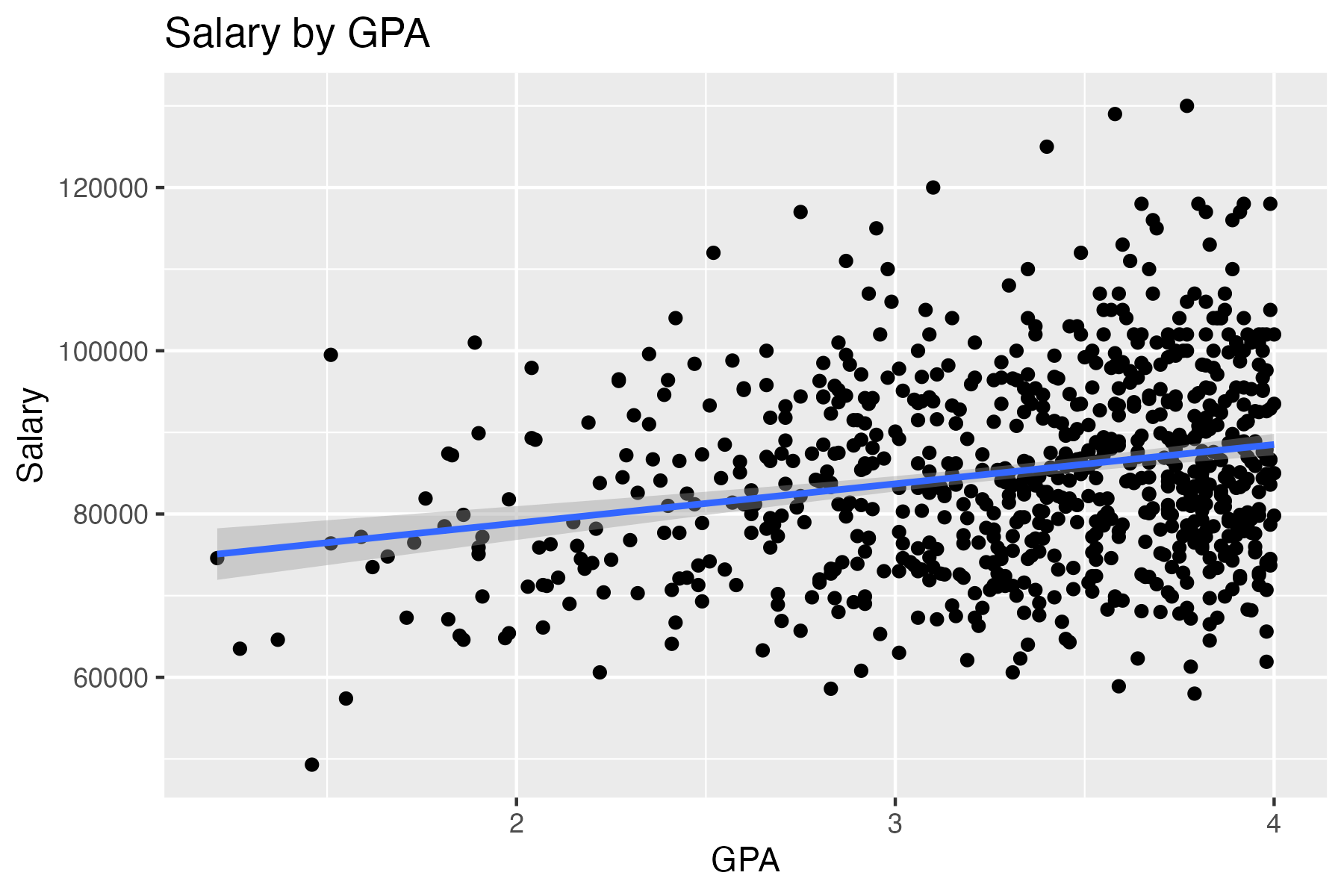
Key Takeaway: A high GPA can help, but it won’t compensate for a low-paying major. If maximizing salary is your goal, what you study is more important than your grades.
The Impact of Majors on Salary
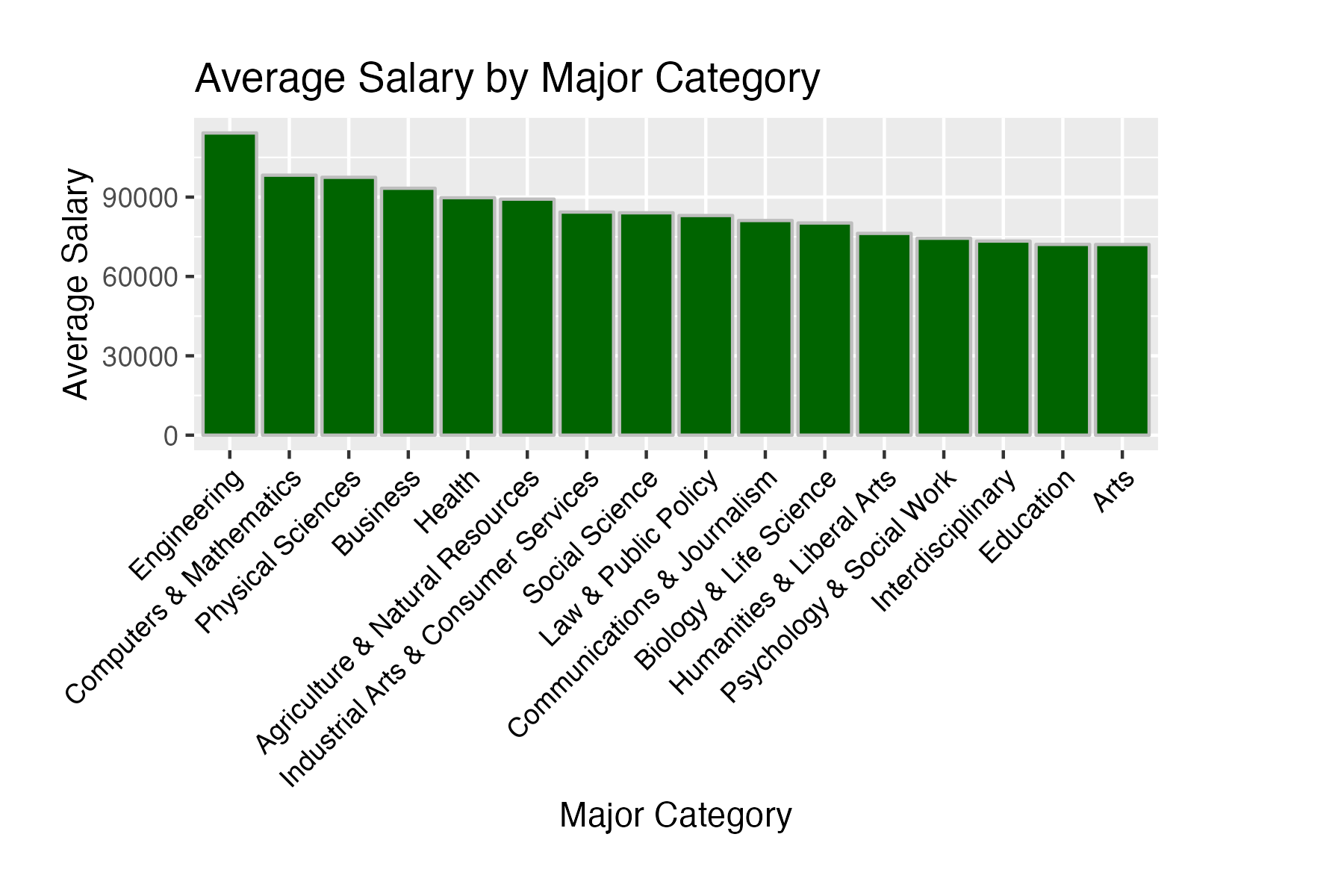
Not all degrees are created equal when it comes to salary. Our data shows that Engineering and Computer Science graduates earn the most, while Arts and Education majors tend to make significantly less.
Highest-Paying Majors:
Engineering: $26,519 above the average salary
Computer Science: $10,881 above the average salary
Business: $5,399 above the average salary
Lowest-Paying Majors:
Psychology & Social Work: $13,149 below the average salary
Education: $15,110 below the average salary
Arts: $16,126 below the average salary
Key Takeaway: A degree in STEM or Business offers higher earning potential than average. If you’re passionate about a lower-paying field, consider increasing your marketability with skills and certifications.
A chart is included below showing the Majors ranked from highest-paying to lowest paying.
A View of the Gender Pay Gap
Unfortunately, a gender pay gap still exists. Even within the same major, men tend to earn significantly more than women. On average they make $5659 more annually. The gap varies by field but is most pronounced in Business and STEM.
Interestingly, we also found differences in major selection. More men choose Engineering and Computer Science, fields with the highest salaries, while more women pursue Education and Arts, which tend to pay less.
Let’s take a look at this. The following chart shows the number of individuals studying a major. We can visually recognize the different distribution of men and women.
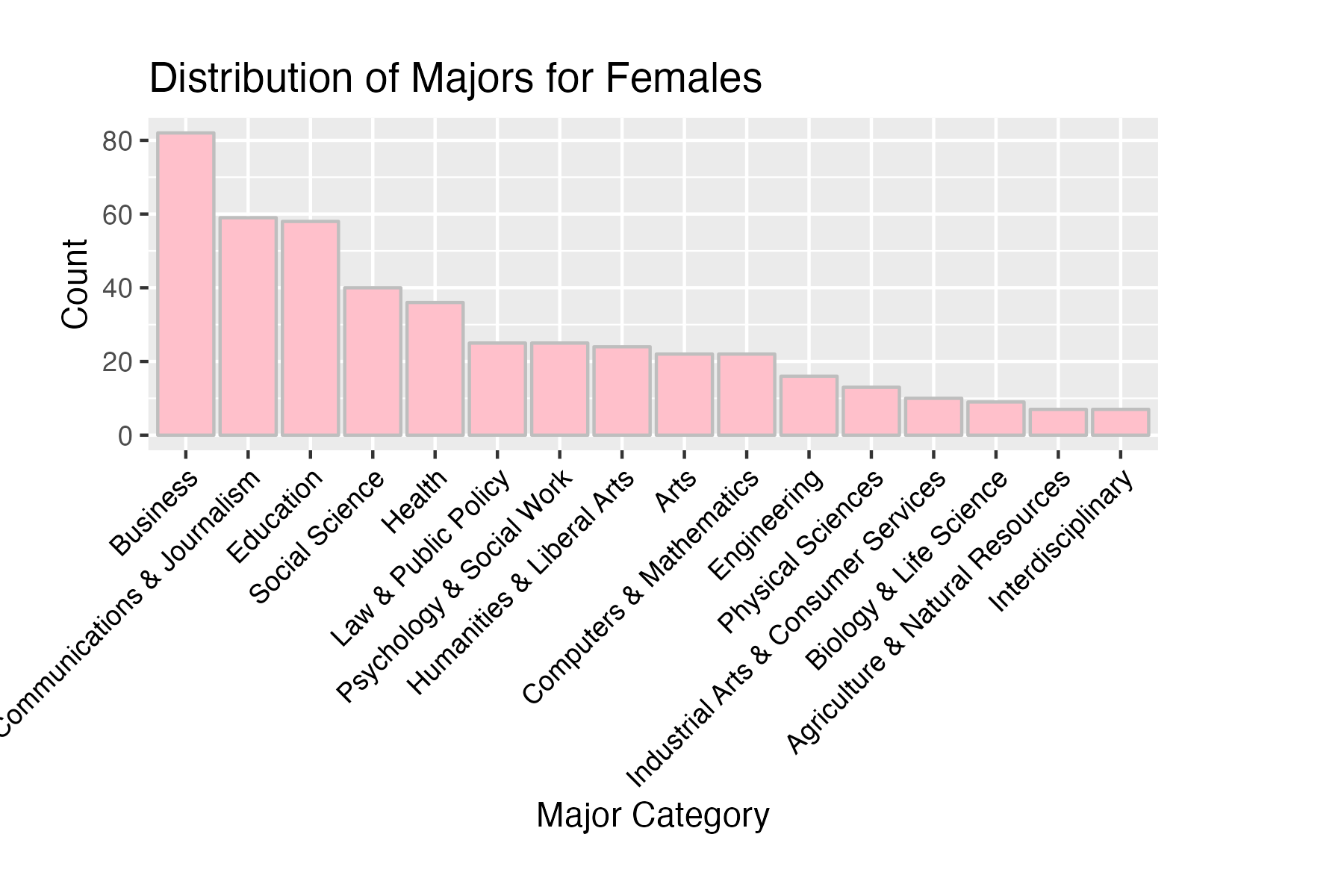
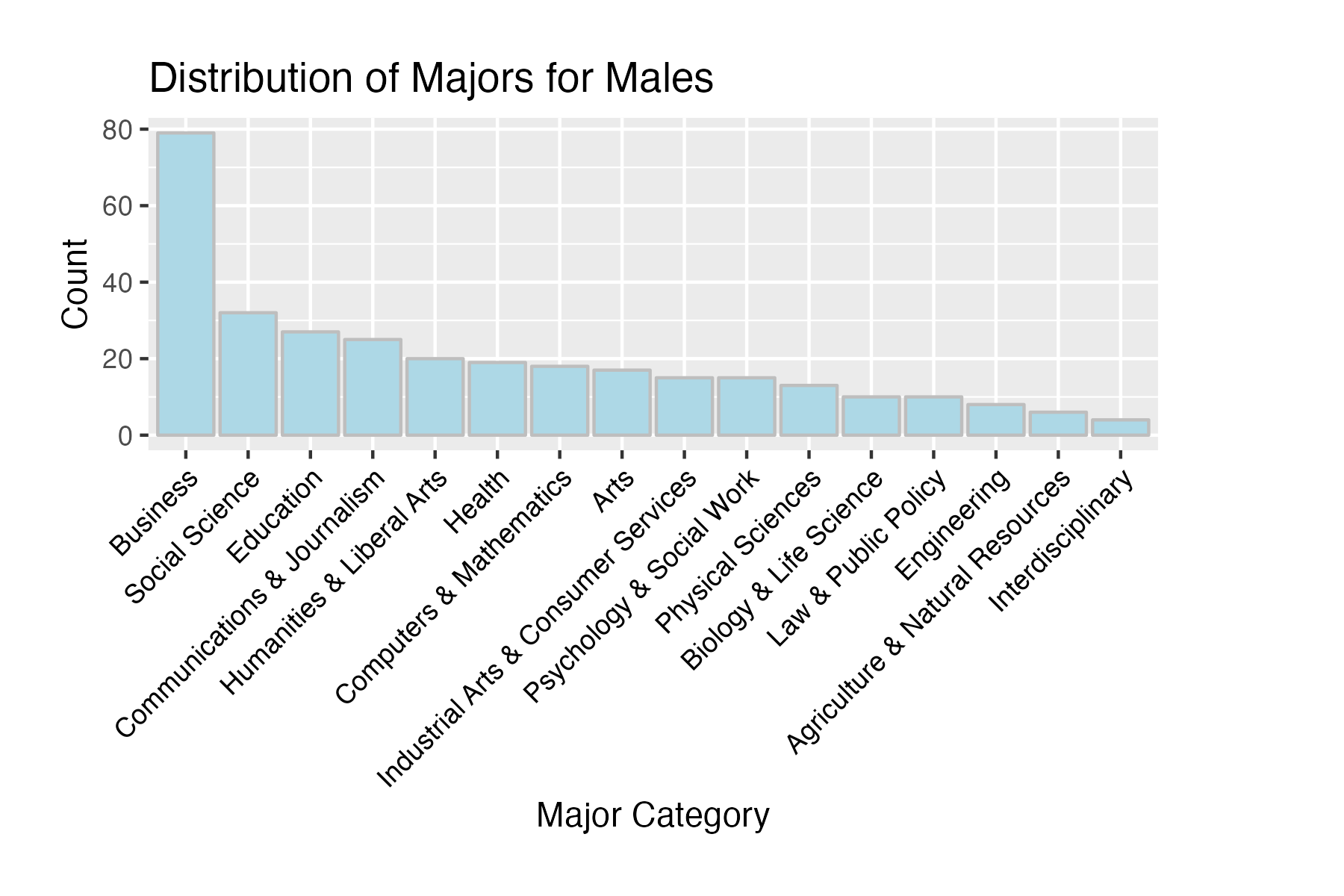
Key Takeaway: Women continue to face wage disparities for every major studied. Addressing these gaps may require industry-level changes, better negotiation strategies, and more women entering high-paying fields.
What Else Affects Salary?
While GPA, major, and gender play a role in earnings, they don’t tell the whole story. These factors account for 78.5 percent of salary differences, which means other factors like work experience, internships, location, and industry also matter.
For example: A tech job in Silicon Valley typically pays more than a similar role in a smaller city. A graduate with multiple internships may earn more than someone with a high GPA but no experience.
Key Takeaway: Your degree is just one piece of the puzzle. Internships, networking, and location choices can also make a huge impact on your earnings.
Final Thoughts
If you’re planning your college and career path, the study highlighted key things to keep in mind:
-
Your major matters most. STEM and Business degrees tend to pay more.
-
A higher GPA can help, but it won’t make up for a low-paying major.
-
A gender pay gap still exists, with men earning more on average.
-
Internships, location, and industry choice also influence salary.
Whether you’re a student deciding on a major or a recent grad planning your next career move, understanding these trends can help you make more informed decisions about your future.