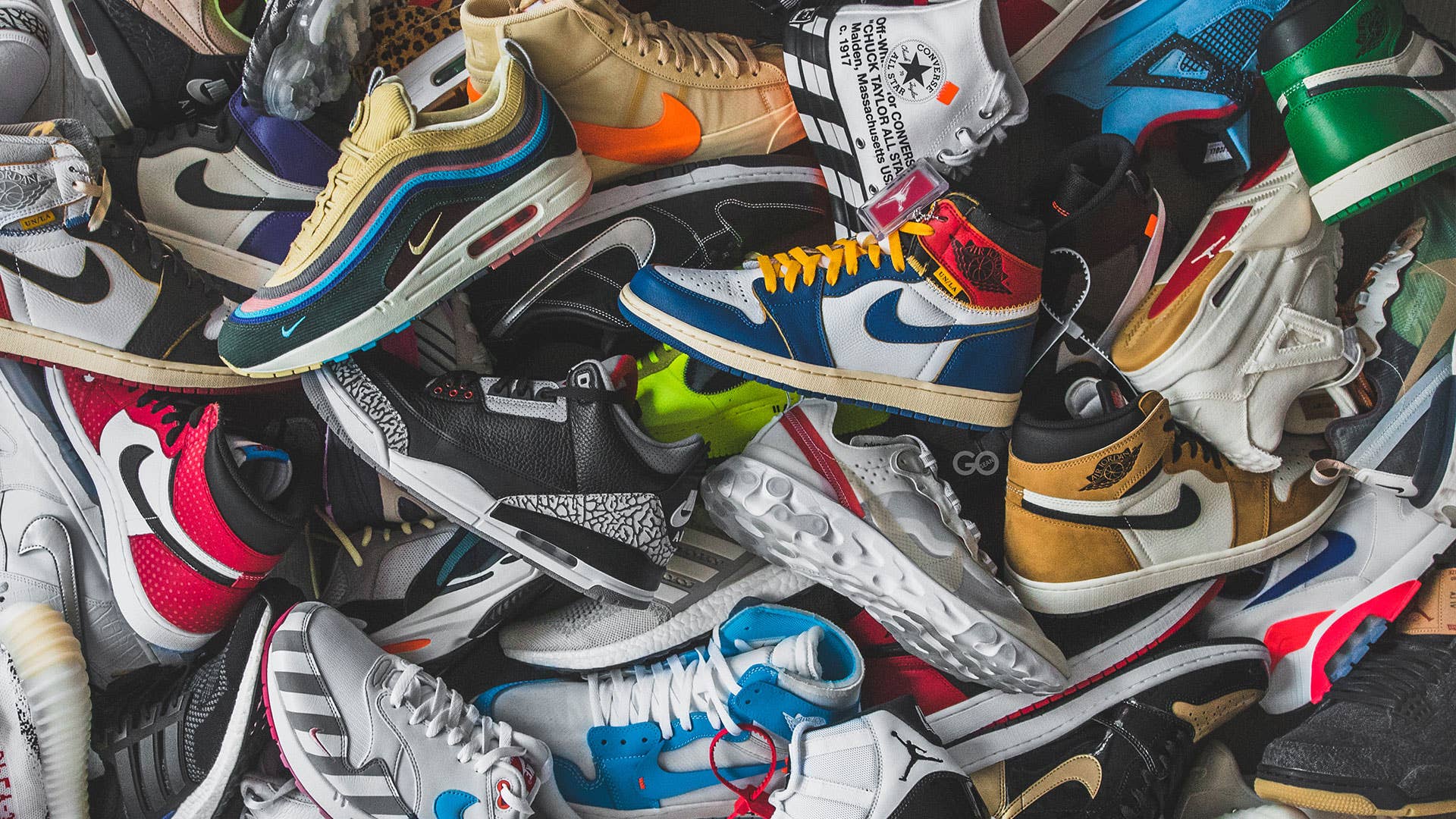
Exploring the Anatomy of Sneaker Hype
Using webscraping to understand the most popular shoes of March 2025 and what makes them stand out.
Inside the Rank of Top Sneakers
In my first post, I asked, “what makes a sneaker a hit?” I explored how factors such as price, rank, and release year influence popularity. But I knew there was more to uncover.
So I expanded the dataset through additional webscraping, adding color, designer, exact release date, and shoe category. Now I’m back with part two: a deeper dive into what top-performing sneakers actually look like and what goes into making a top-ranking shoe.
If you’d like to explore my data on your own, check out my Steamlit app!
What Actually Correlates with Popularity?
To dig deeper, I ran a linear model predicting sneaker rank based on variables like price, release date, designer, main color, technology, and category. It was important to me to understand what really drives these rankings.
Below I’ve included my code I ran in R for a linear model:
lm(formula = rank ~ price + daysfrommarch + Designer + Main.Color + Technology + Category, data = goatdata)
Key Findings from the Model
This model allowed me to focus on the most significant variables. Keep reading to see the impact these factos have on shoe rank. Let’s get into it.
Price of Shoe
We observe a slight negative correlation with rank. More expensive shoes tend to rank slightly better (lower rank = more popular).
→ Estimate: -0.12, p = 0.03
Release Date Matters (duh!)
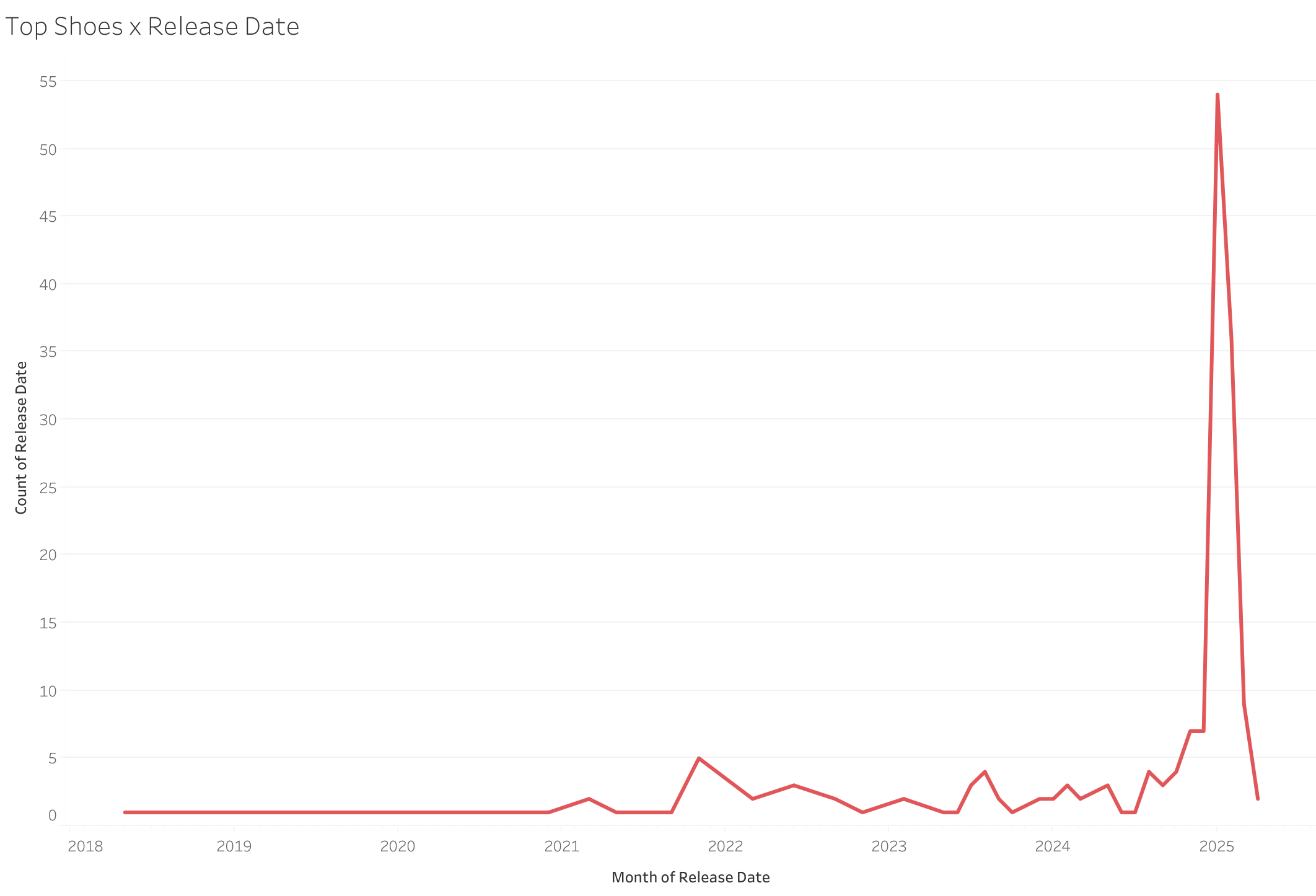
Newer releases are generally more popular. This makes complete sense to me, if a new shoe is released in February, it’ll probably be popular in March. However, we can observe in the chart that there are always a few outliers that stay popular for years (hello 2018 I see you in there). I’ve included a chart showing the release date by the count of items in the top 182 ranking.
→ Estimate: -0.05, p < 0.001
Who’s Behind the Hype? Designers!
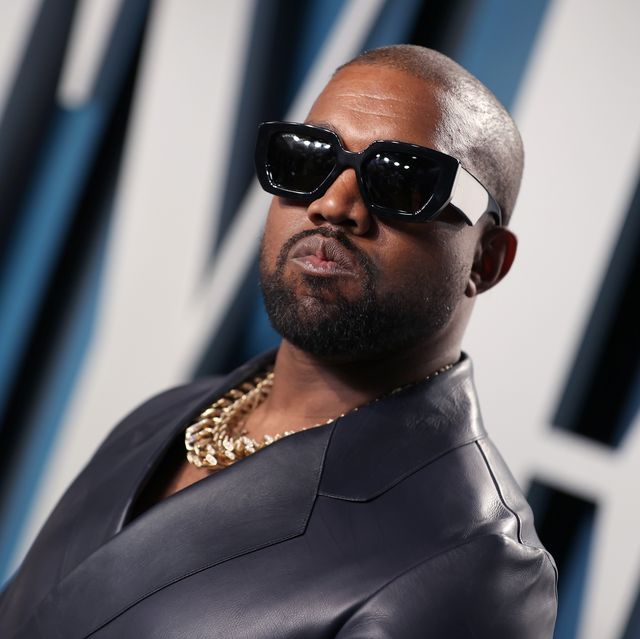
Tinker Hatfield and Kanye West were significantly associated with higher-performing shoes.
→ Tinker: Estimate: -31.9, p = 0.026
→ Kanye: Estimate: -65.9, p = 0.014
We see other designers who are also very popular and have multiple shoes in the top list. Let’s learn a little more about them!
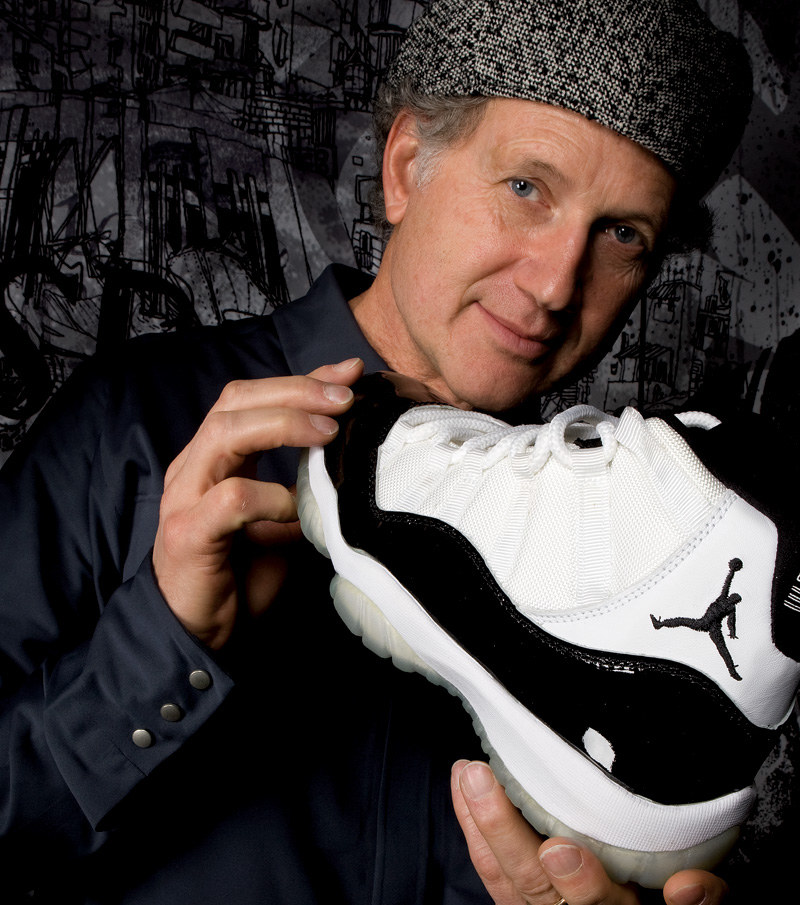
Tinker Hatfield
Nike legend. Architect-turned-designer. He brought us the visible Air bubble and iconic Jordans. After joining Nike in 1981, he switched to shoe design and saved the Nike–MJ partnership with the Air Jordan III. From Jordans III–XV to the Air Max 1 and MAG, Tinker made sneakers into collectible, wearable art.
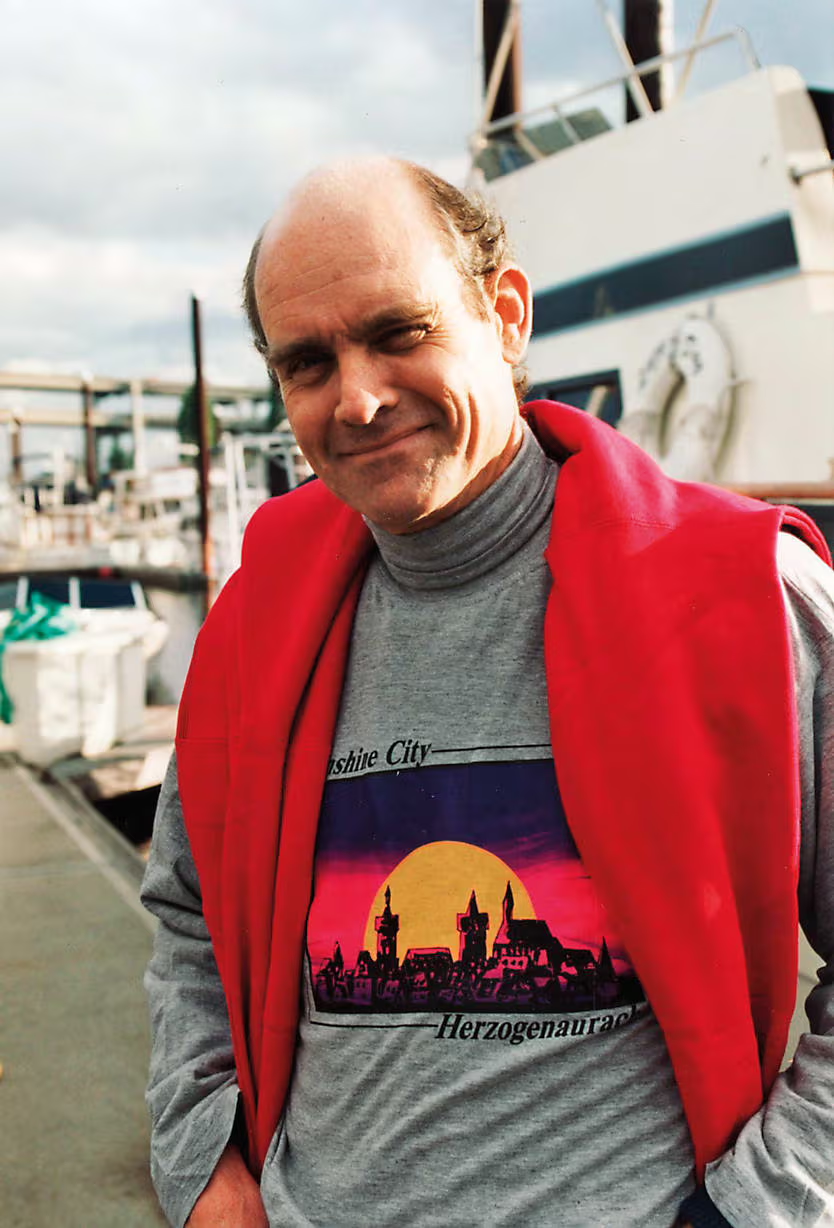
Peter Moore
Creator of the Air Jordan 1, Nike Dunk, and the Jumpman logo. As Nike’s first creative director, he helped shape the Jordan brand before moving to Adidas, where he co-founded EQT and drove a performance-first focus in the ’90s. His bold, functional designs bridged sport and lifestyle and changed sneaker culture forever.
Kanye West
The Yeezy mastermind. Kanye didn’t just design sneakers, he transformed the hype game. After early Nike collabs, he launched Yeezy with Adidas in 2015. The minimalist, earthy Yeezy Boost 350 became a cultural icon. His tight control over design, drops, and branding turned Yeezy into a billion-dollar empire.
Eric Avar
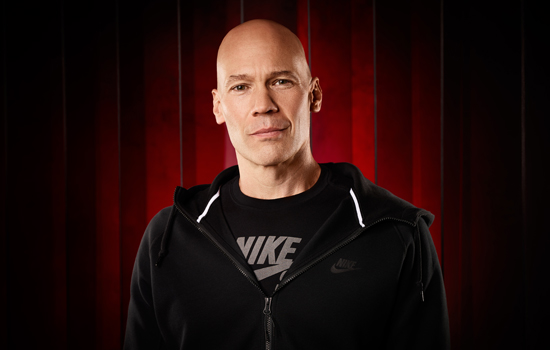
Nike’s quiet innovator. Avar shaped modern performance footwear, especially in basketball. He designed most of Kobe Bryant’s signature shoes lightweight, low-profile, and game-changing. With a focus on athlete input and technical design, his work (from the Huarache 2K4 to the Kobe 9) sets the standard for basketball sneakers.
Color Trends
Most colors weren’t statistically significant. But a few stood out.
Multi-color shoes surprisingly did well.
→ Estimate: +53.9, p = 0.041
Silver performed poorly.
→ Estimate: -58.0, p = 0.034
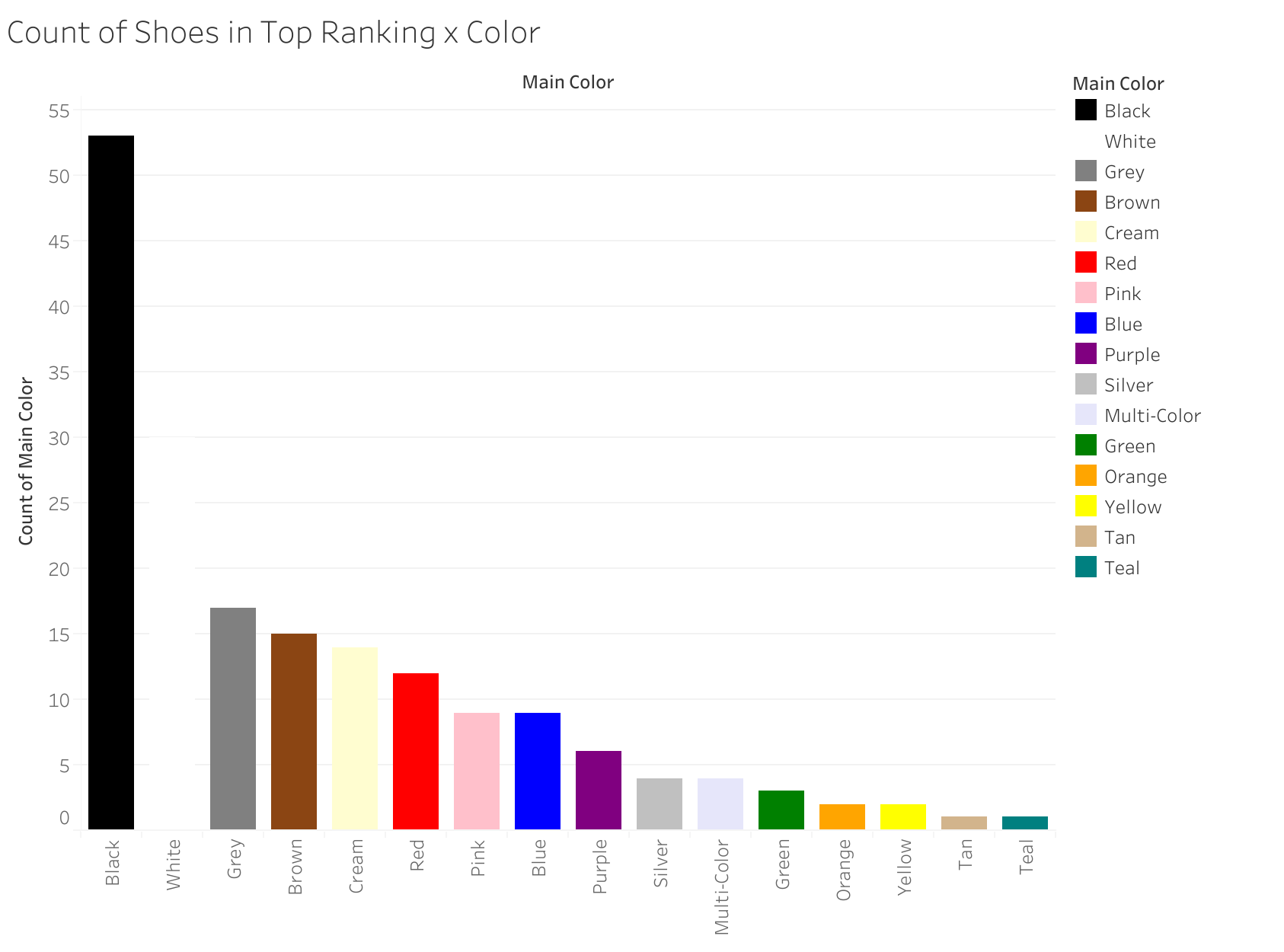
However even without a strong correlation to rank, theres still obvious trends in our data. My chart shows more detail about this.
What Colors Dominate the Sneaker Scene?
One of the first things I asked was, “Are top shoes loud and bold or clean and classic?” Because of this I was really excited to explore the dataset and pay special attention to color.
So what color is most popular? The answer is pretty clear. Black reigns supreme, appearing over 50 times among the top 182 sneakers in the dataset. White is a close second, followed by neutral tones like grey, brown, and cream. Vibrant hues like orange, teal, and yellow are far less common. It seems that shoppers (and resellers) favor versatile, everyday kicks over bold statement pieces.
Why Does This Matter?
Wearability wins: Neutral colors are easier to style, making them more desirable for everyday use.
Timelessness sells: Black and white sneakers—think Air Force 1s, Yeezys, and Jordans are safe bets with lasting appeal.
Bold ≠ Better (for resale): Eye-catching colorways may turn heads, but they don’t always top the resale charts.
Tech Takeaways
Gel, Air, and ABZORB technologies were associated with lower rank (i.e., better performance).
→ Gel: p = 0.003, Air: p = 0.019, ABZORB: p = 0.041
My hypothesis is that this is way more about style, trends and comfortability than the actual technology behind it.
Streamlit App: Explore the Data Yourself
This interactive app lets you dive into the top shoe drops from March 2025. Whether you’re a sneakerhead or a data nerd, it’s built to make the trends easy to spot.
Tab 1: KPI Dashboard
Quick insights on the most expensive shoes, average prices, and dominant colors.
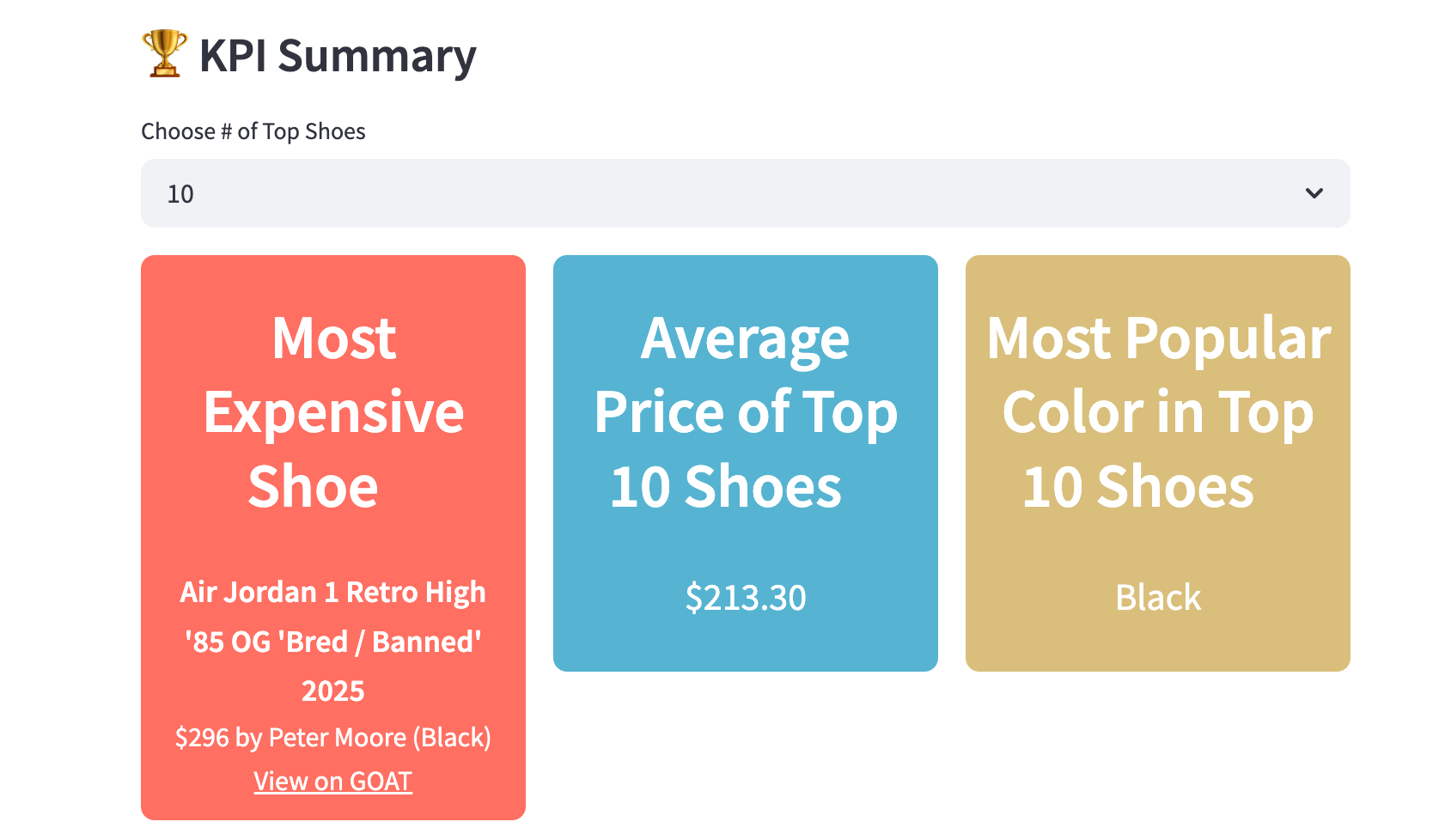 Screenshot of KPI dashboard, check it out and be sure to change the number of shoes you want insights on
Tab 2: Histograms
Filter by color, designer, or category and visualize how different variables are distributed.
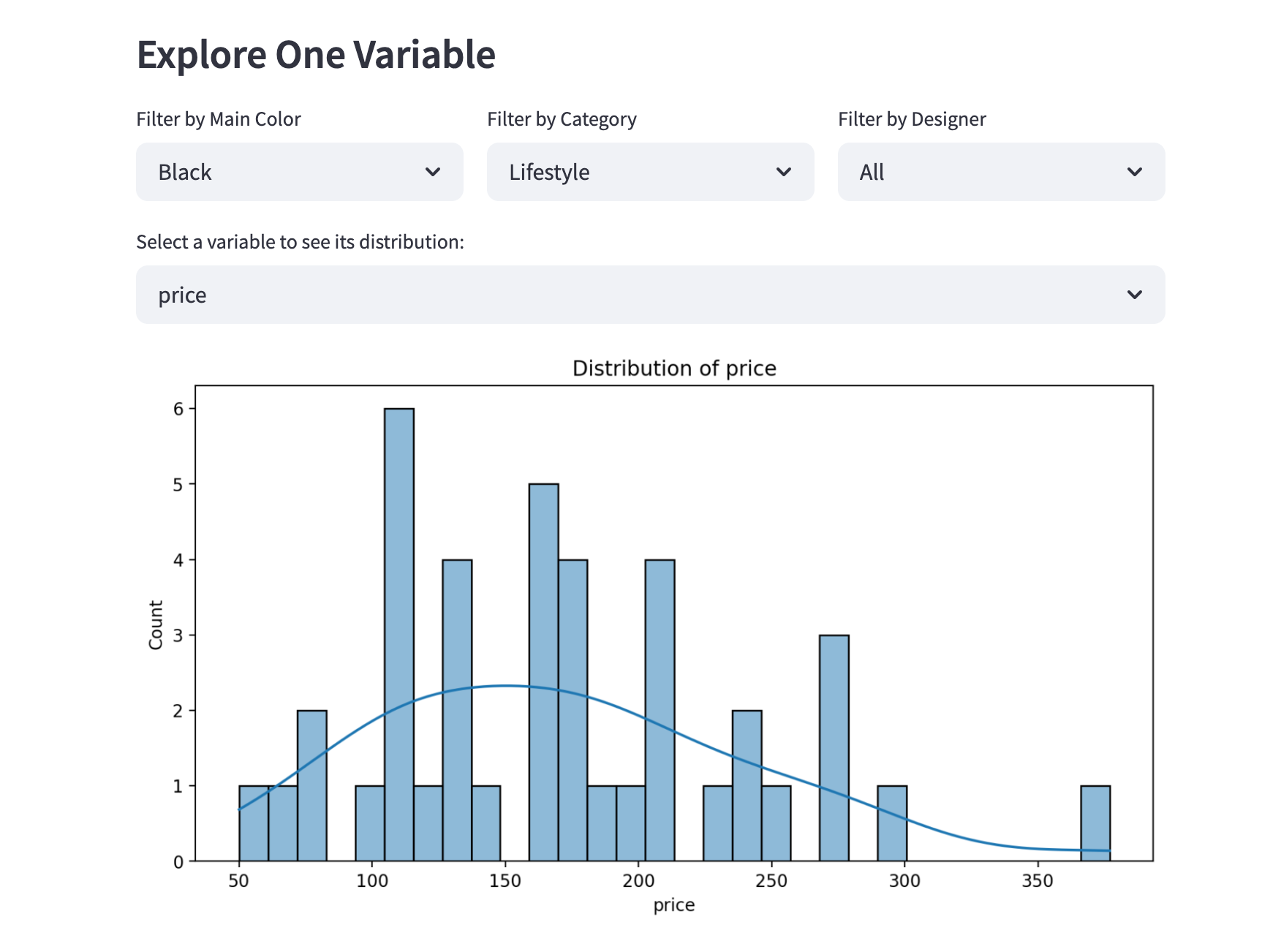 Screenshot of a histogram displaying the distribution of price when filtered by color and category
Tab 3: Variable Comparison
Compare any two variables with scatterplots, boxplots, or violin plots, which is great for spotting correlations like color vs. price or tech vs. popularity.
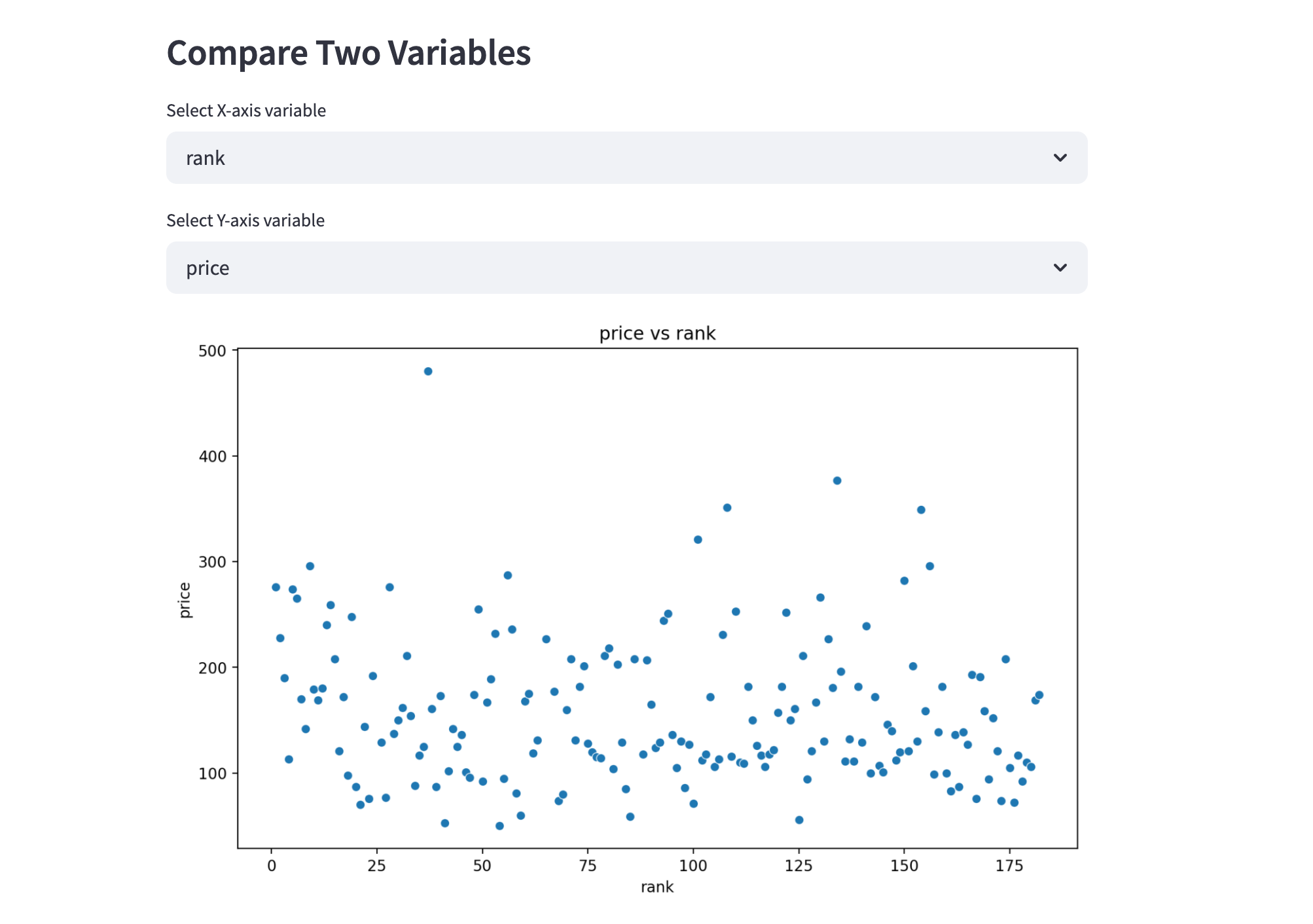 Screenshot of scatterplot showing the relationship between rank and price
Would you like to see how I built this? Here’s my Streamlit code on GitHub.
Final Thoughts
The takeaway? Popular sneakers aren’t just about hype, they’re a mix of design pedigree, wearability, and timing. While price and flash matter a little, who made the shoe, when it dropped, and how easy it is to wear are some of the biggest drivers of success.
Check out my GitHub for more details and code for webscraping!